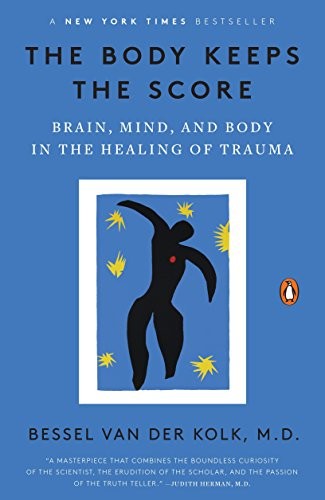
What Is The Body Keeps the Score About?
The Body Keeps the Scoreis about the profound impact of trauma on the mind and body, exploring innovative healing methods through the lens of neuroscience and psychology.
The Five Big Ideas
- The Prevalence and Impact of Trauma: Trauma is a widespread issue that profoundly affects individuals’ mental and physical health, altering the brain’s structure and potentially leading to conditions like PTSD.
- The Body-Mind Connection: Trauma is stored not just in the mind but also in the body, manifesting through physical symptoms and sensations, underscoring the need for integrated treatment approaches.
- The Limitations of Talk Therapy: Traditional talk therapy may not be sufficient for healing trauma because the brain often stores traumatic memories in non-verbal parts of the brain; therefore, therapies that engage the body and mind are often more effective.
- The Role of Neuroplasticity in Healing: The brain’s ability to change and adapt (neuroplasticity) is central to recovering from trauma, and we can facilitate healing through therapies that promote positive neural changes.
- Innovative Therapies for Trauma: The book highlights various innovative therapies, such as Eye Movement Desensitization and Reprocessing (EMDR), which have shown promise in helping individuals process and recover from traumatic experiences.
The Body Keeps the Score Summary
Note: While this summary provides an overview of the key themes and ideas presented inThe Body Keeps the Score, the book is rich with case studies, personal narratives, and scientific research that offer a deeper understanding of trauma and its effects.
Part One: The Rediscovery of Trauma
In the first part of the book, Bessel van der Kolk sets the stage by discussing his early experiences with trauma patients during the Vietnam War era. He introduces the concept of Post-Traumatic Stress Disorder (PTSD) and how it was initially observed in war veterans but is also prevalent in survivors of other forms of trauma, such as abuse and accidents. He explains how trauma affects the brain, particularly the areas responsible for processing fear, emotion, and memory. Traumatic experiences can lead to changes in the brain that make individuals more susceptible to fear, anxiety, and memory distortions.
Part Two: This is Your Brain on Trauma
Here, van der Kolk delves deeper into the neuroscience of trauma. He explains how traumatic experiences can alter the brain’s structure and function, particularly in the areas involved in processing threat and safety, such as the amygdala, prefrontal cortex, and hippocampus. These changes can result in a heightened state of alertness, making it difficult for trauma survivors to distinguish between past and present threats. Van der Kolk also discusses the role of neuroplasticity in trauma recovery, emphasizing that the brain can rewire itself, which is a cornerstone of healing.
Part Three: The Minds of Children
In this section, van der Kolk focuses on the impact of trauma on children. He explains how early experiences, particularly those involving neglect or abuse, can profoundly shape a child’s brain development and affect their ability to regulate emotions and form healthy relationships. He also discusses the importance of a supportive environment for children who have experienced trauma and the role of attachment in healing.
Part Four: The Imprint of Trauma
Part four delves into the ways trauma can leave lasting marks on individuals. Van der Kolk discusses how trauma survivors often relive their experiences through flashbacks and intrusive memories. He also explores the concept of “body memory,” explaining how traumatic experiences can manifest physically, leading to symptoms like chronic pain, gastrointestinal issues, and other somatic complaints. The body’s physical response to trauma is a key theme, highlighting the importance of addressing both the mind and body in treatment.
Part Five: Paths to Recovery
Van der Kolk dedicates the book’s final part to treatment and recovery, outlining various therapeutic approaches beyond traditional talk therapy. He emphasizes the importance of therapies that engage the body, such as Eye Movement Desensitization and Reprocessing (EMDR), yoga, and mindfulness practices. He also discusses the role of art, theater, and communal experiences in healing trauma. The book concludes with a message of hope, emphasizing that recovery is possible and individuals can reclaim their lives from trauma.
Recommended Reading
If you likeThe Body Keeps the Score, you might also like:
- Tuesdays with Morrieby Mitch Albom
- Atomic Habits: Tiny Habits, Remarkable Resultsby James Clear
- Building a Second Brain: A Proven Method to Organize Your Digital Life and Unlock Your Creative Potentialby Tiago Forte
Buy The Book: The Body Keeps the Score
Print|Kindle|Audiobook
Related Lists
- Business Book Summaries
- Psychology Book Summaries
- Self-Help Book Summaries
Or,browse more book summaries.
Back to All Book Summaries